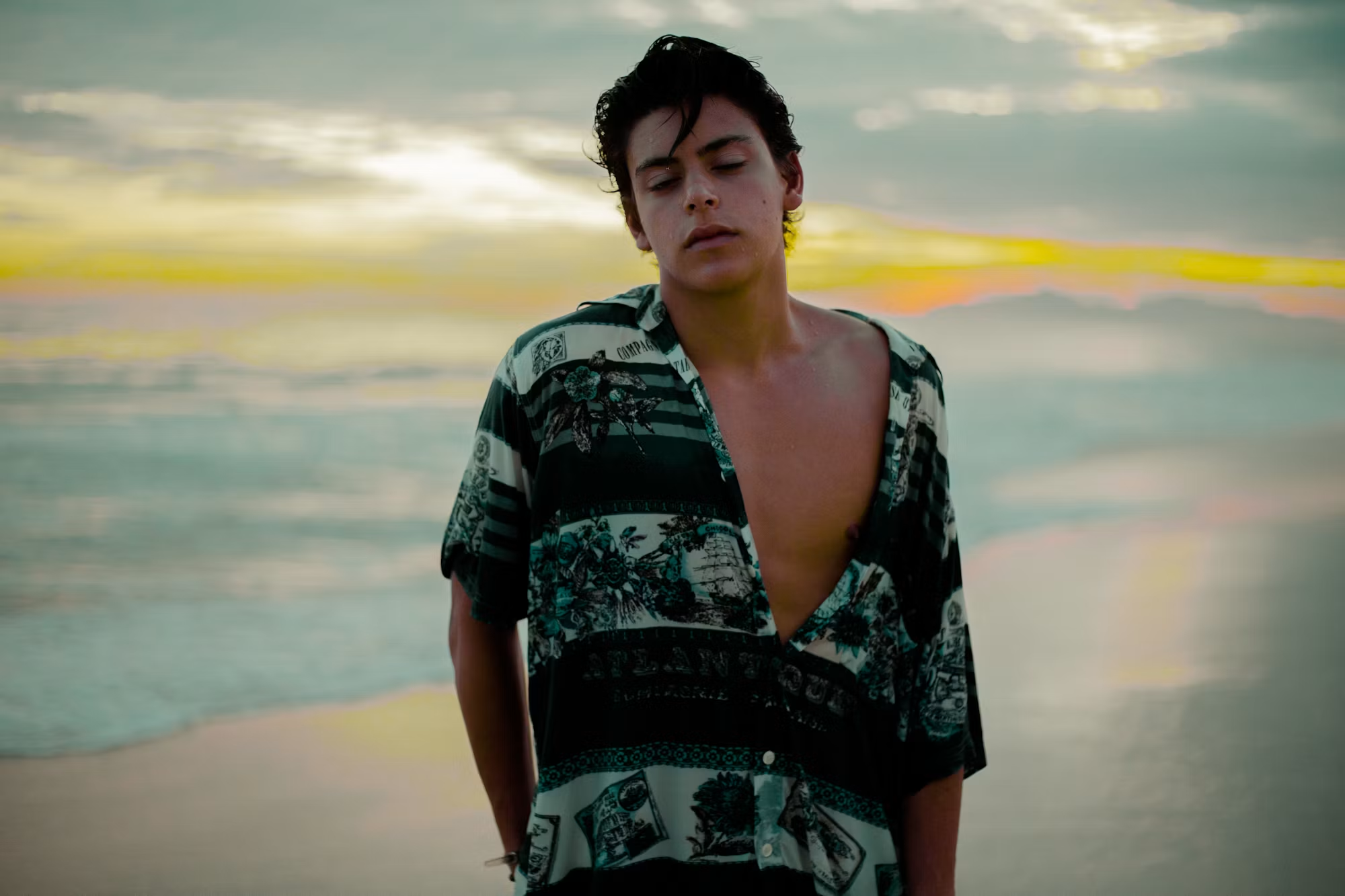
The world of fashion is a dynamic realm that reflects cultural shifts, societal norms, and individual expression. Over the years, male fashion has undergone a remarkable transformation, evolving from rigid styles to a more fluid and diverse expression of identity. This article delves into the evolution of male style in the modern era, examining key trends, influential figures, and how these changes have reshaped perceptions of masculinity. In the early 20th century, men’s fashion was characterized by formality and tradition. Suits, ties, and polished shoes were staples in a man’s wardrobe, reflecting societal expectations of professionalism and decorum. This era saw the rise of the dandy, a figure known for his flamboyant and stylish attire, which laid the groundwork for the exploration of personal style. As the decades progressed, the post-war years ushered in a new wave of fashion. The 1950s marked a shift towards casual wear, with denim jeans and leather jackets becoming symbols of rebellion and youth culture. Icons like James Dean and Marlon Brando embodied this new attitude, demonstrating that fashion could be both an expression of identity and a reflection of one’s lifestyle. The counterculture movements of the 1960s and 70s further propelled the evolution of male fashion. With the rise of rock and roll, styles became bolder and more eclectic. Men began to experiment with colors, patterns, and fabrics, moving away from traditional silhouettes. The introduction of unisex clothing blurred the lines between genders, allowing for a more fluid approach to fashion. This era also saw the emergence of designers like Yves Saint Laurent, who challenged conventional norms by incorporating feminine elements into menswear, paving the way for a more inclusive perspective on style. The 1980s brought about a new wave of excess, with bold colors, oversized silhouettes, and statement accessories defining the decade. The influence of pop culture, fueled by music videos and blockbuster films, created a generation of men who embraced flamboyance and individuality. Fashion icons like Prince and David Bowie pushed boundaries, showcasing how fashion could be a powerful tool for self-expression. As the 1990s arrived, minimalism took center stage. The grunge movement, epitomized by bands like Nirvana, introduced a more relaxed and unkempt aesthetic. Baggy jeans, flannel shirts, and combat boots became the norm, reflecting a shift towards comfort and authenticity. This era marked a departure from the polished looks of the previous decades, highlighting the importance of personal comfort in fashion choices. The turn of the millennium brought technological advancements that changed the landscape of fashion. The rise of the internet and social media platforms allowed for the rapid dissemination of trends and styles. Male fashion began to diversify even further, with subcultures and niche styles gaining recognition. Streetwear emerged as a dominant force, blending athletic wear with high fashion, appealing to a younger demographic. Collaborations between luxury brands and streetwear labels created a cultural phenomenon, bridging the gap between casual and high-end fashion. Today, male fashion is characterized by a blend of influences, embracing diversity and individuality. The lines between gendered clothing continue to blur, with many designers championing gender-neutral collections that challenge traditional notions of masculinity. Influencers and celebrities play a significant role in shaping modern trends, using their platforms to showcase unique styles and foster inclusivity. Social media has empowered men to experiment with fashion, encouraging them to break away from societal norms and embrace their personal style. As the fashion landscape evolves, sustainability has become a critical focus. Male consumers are increasingly conscious of their purchasing decisions, seeking out brands that prioritize ethical practices and environmental responsibility. This shift is leading to a rise in eco-friendly collections and second-hand shopping, as men look for ways to express their style without compromising the planet. In conclusion, the evolution of male fashion in the modern era reflects a broader cultural shift towards inclusivity, individuality, and self-expression. From the formal styles of the early 20th century to the bold experimentation of today, male fashion has transformed into a vibrant and diverse landscape. As societal norms continue to change, the way men approach style will undoubtedly evolve, paving the way for future generations to express themselves through fashion in ways previously unimaginable.
Fashion Forward: The Evolution of Male Style in the Modern Era
Categories:
Related Post

Sustainable Fashion: Embracing Eco-Friendly ChoicesSustainable Fashion: Embracing Eco-Friendly Choices
This article explores the concept of sustainable fashion, highlighting its importance, benefits, and
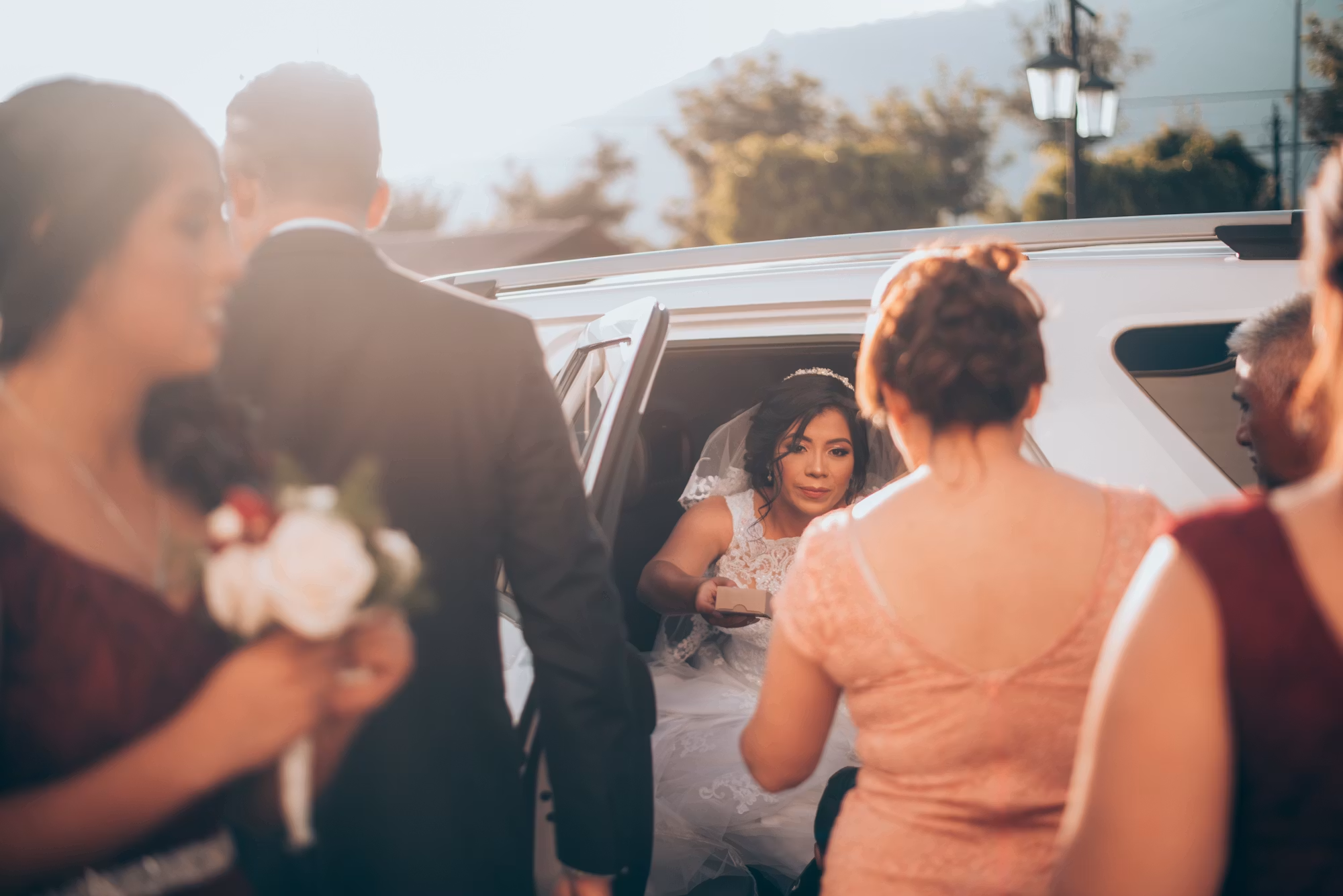
Exploring Streetwear: The Cultural Phenomenon That Redefined FashionExploring Streetwear: The Cultural Phenomenon That Redefined Fashion
Streetwear has evolved from niche urban fashion to a global cultural phenomenon. This article explor
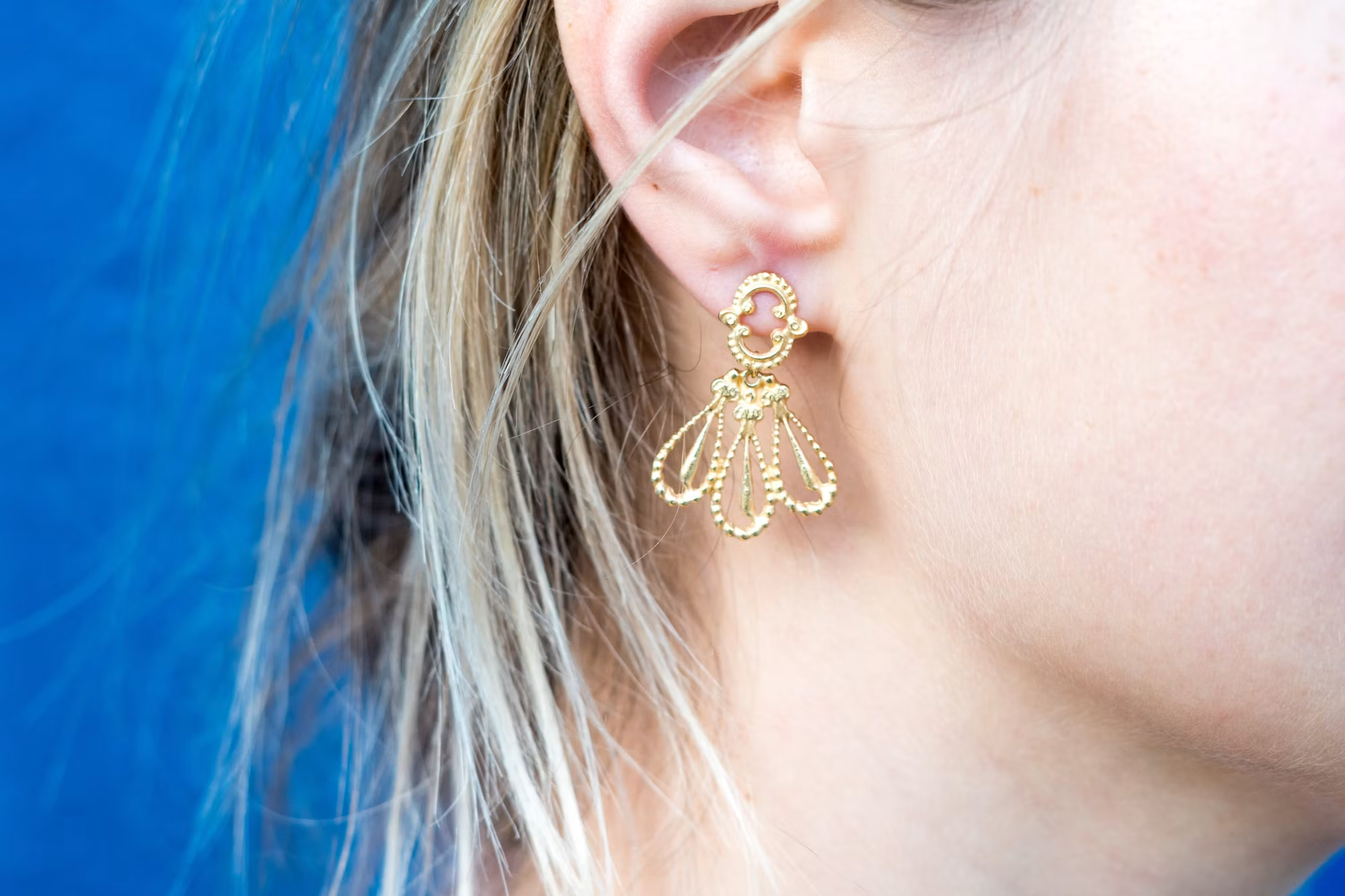
Exploring the World of Fine Jewelry: Trends, Craftsmanship, and Timeless BeautyExploring the World of Fine Jewelry: Trends, Craftsmanship, and Timeless Beauty
This article dives into the fascinating world of fine jewelry, examining its history, craftsmanship,